
Mold vs. Mildew: How to Tell the Difference in Your Fairfield County, CT Home
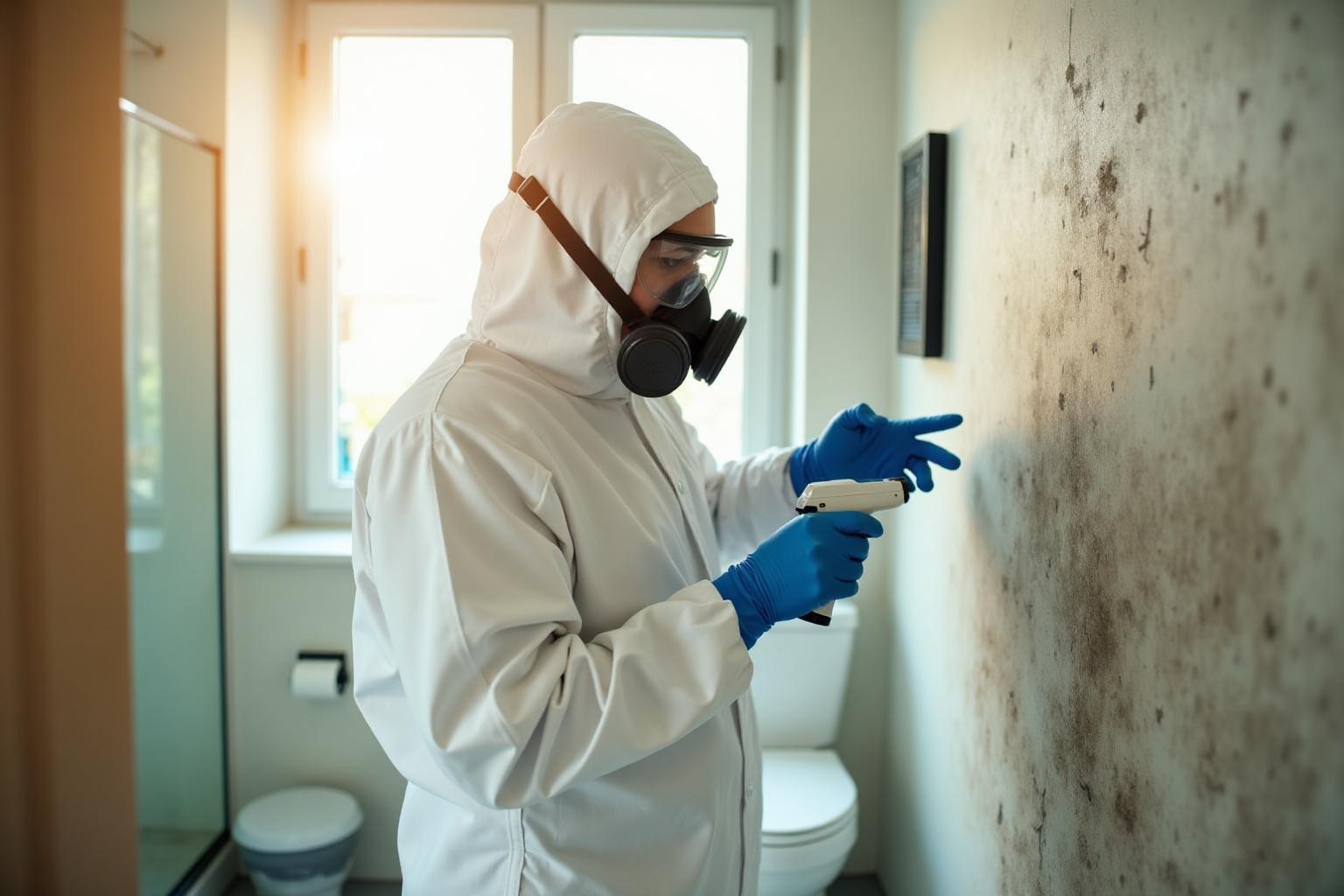
Mildew and mold are both fungi, both thrive in moisture, and both show up regularly in Connecticut homes — especially in basements, bathrooms, and crawl spaces along the humid Fairfield County coast.
But they're not the same. Mildew is a surface nuisance you can usually clean yourself. Mold is a colonizing organism that can damage your home and trigger health issues. Knowing which one you're looking at determines what to do next.
What Mildew Looks Like
Mildew is a specific type of fungus that grows flat against surfaces. It's almost always white, gray, or pale yellow, and has a powdery or fluffy texture.
- Color: white, gray, light yellow
- Texture: powdery, dusty, or fluffy
- Pattern: flat, surface-level, doesn't penetrate materials
- Common locations: shower tile, window sills, fabric, paper, leather
- Smell: mild, slightly damp
What Mold Looks Like
Mold is a broader category of fungi that includes thousands of species. Unlike mildew, mold grows into materials, not just on top of them. It's typically darker, fuzzier, and far more persistent.
- Color: black, green, blue, dark gray, sometimes pink or orange
- Texture: fuzzy, slimy, or velvety
- Pattern: spreading colonies, often with irregular edges
- Common locations: drywall, wood framing, insulation, HVAC, carpet padding
- Smell: strong musty, earthy, or rotten odor
The Key Difference: Surface vs. Structural
Mildew sits on top of materials and wipes away. Mold puts down roots (called hyphae) into porous materials like drywall, wood, and insulation. That's why a black spot on a basement wall in Stamford or Norwalk that comes back two weeks after you scrub it is almost certainly mold — the visible growth is just the surface of a much larger colony.
If cleaning a spot with bleach or vinegar permanently removes it, it was likely mildew. If it returns, spreads, or covers more than about 10 square feet, you're dealing with mold and need professional remediation.
Health Effects
Mildew can cause mild allergy symptoms — sneezing, congestion, eye irritation — particularly in people with sensitivities. It rarely causes serious health problems.
Mold is more concerning. Common reactions include persistent coughing, wheezing, headaches, sinus congestion, and skin rashes. Certain species (most famously Stachybotrys, the so-called 'black mold') can trigger more severe respiratory symptoms in vulnerable people, including infants, the elderly, and those with asthma or compromised immune systems.
When You Can DIY and When to Call a Professional
DIY is appropriate for mildew on hard, non-porous surfaces — bathroom tile, glass, plastic. A solution of one part bleach to ten parts water, or a household mildew remover, will handle it.
Professional remediation is the right call when: the affected area is larger than about 10 square feet (EPA guideline), growth is on porous materials like drywall or wood, you can smell musty odors but can't find the source, mold returns after cleaning, or anyone in the home has unexplained respiratory symptoms.
In Fairfield County, professionals also assess the underlying moisture source — leaks, condensation, poor ventilation — because removing visible mold without fixing the cause guarantees it returns.
Why Fairfield County Homes Are Particularly Vulnerable
Coastal humidity from Long Island Sound, older housing stock with original basements, frequent storm-driven moisture intrusion, and tightly sealed modern homes that trap humidity all combine to make mold a year-round issue in towns like Greenwich, Westport, Fairfield, and Bridgeport. Crawl spaces and basements are the most common problem areas.
Frequently Asked Questions
Related Services
Need Help Now in Fairfield County, CT?
BrightHaven Restoration is available 24/7 for emergency water, fire, and mold response throughout Fairfield County.